
Foreclosure · Short Sales
Dedicated Short Sale Attorneys in Miami
When you owe more than the home is worth, a short sale can settle the debt and let you move on. The negotiation is where our experience pays off.
Many people in Florida hear the term "short sale" or look at these properties when buying a home, without fully understanding what one actually is. A short sale occurs when someone owes more on their home than it is worth (commonly called being "underwater" on the mortgage) and can no longer maintain the mortgage payments. The bank may agree to accept an amount short of the balance due in exchange for letting the owner sell the home to a new buyer who can afford it.
When a Short Sale Is the Right Move
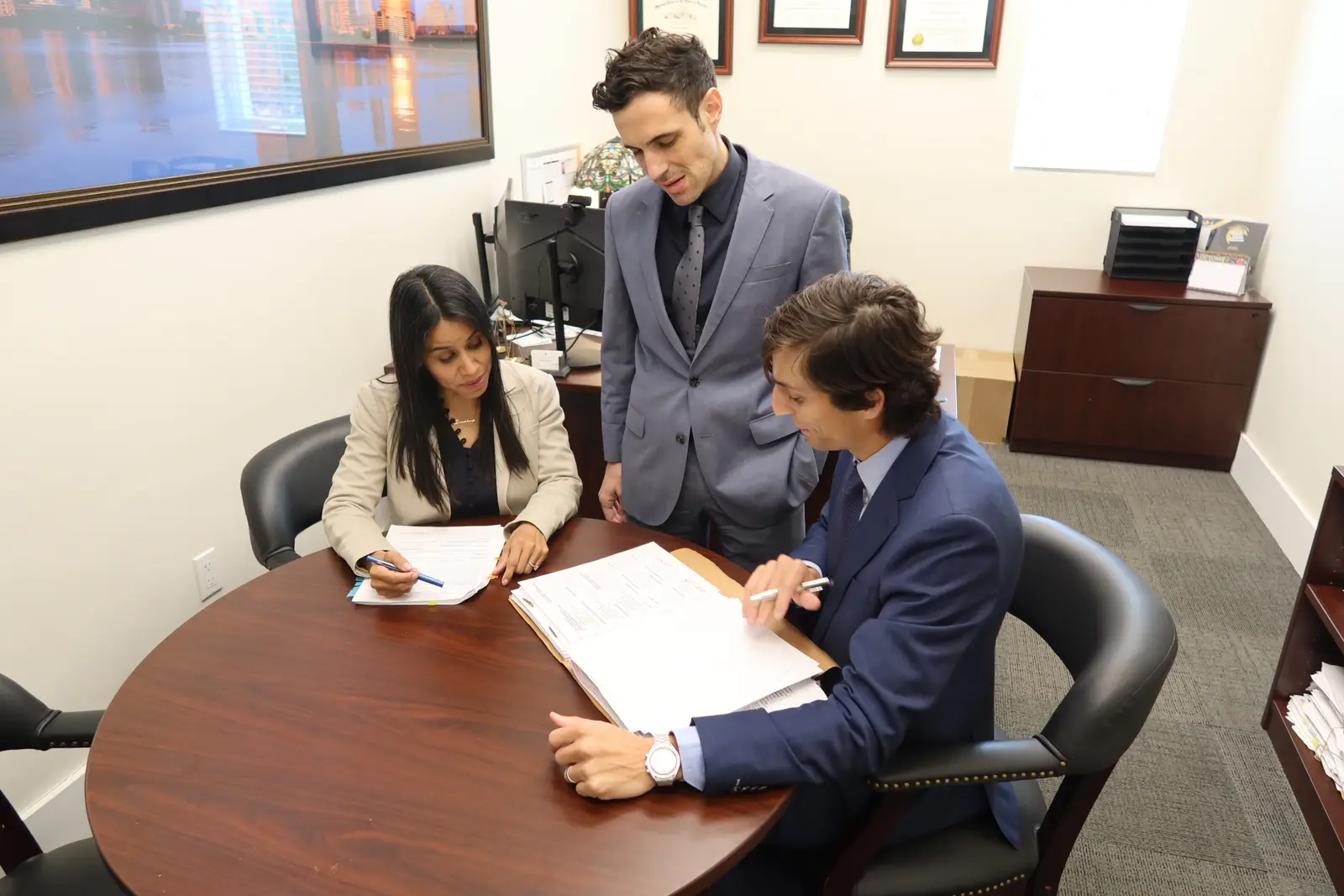
In certain situations, short sales are a viable solution that can help avoid foreclosure. The bank is willing to accept less than the balance owed in return for releasing the property. It takes an experienced attorney to analyze whether a short sale is in the homeowner's best interest and to steer through the complex procedures successfully. Short sale petitions don't just get approved on their own.
We help you explore your options if you can no longer afford the mortgage payments. We can fight foreclosure or stop it through a short sale, based on what will put you on a path to a better emotional and financial future. We listen carefully to your concerns and explain all your options fully, so you can make an informed decision.
What a Short Sale Requires
To get a short sale accepted, we help you demonstrate:
- You are no longer able to make the mortgage payments.
- You have a documented hardship, such as illness in the family, job loss, or another serious situation affecting your finances.
- The current value of the home is substantially less than the balance owed.
- The bank or lender agrees to accept a sale price less than what you owe.
- You have a qualified buyer offering to purchase the property.
- The bank or lender accepts that buyer's offer.
How the Short Sale Process Works
Every short sale is a negotiation with your lender, and every lienholder on the property has to sign off before the sale can close. Here is what the process typically looks like:
- Review your situation. We look at what you owe, the home's likely value, any second mortgage or home equity line, association dues, and whether a foreclosure case has already been filed.
- List the home and prepare the hardship package. Your real estate agent markets the property while we help you assemble the financial documents and hardship letter the lender requires.
- Submit the buyer's offer. Once a buyer signs a contract, the offer goes to the lender for approval. The lender usually orders its own valuation of the property before deciding.
- Negotiate the terms. This is where an attorney matters most: the sale price, payoffs to any second lienholder or association, and, most importantly, whether the lender waives the remaining balance.
- Review the approval letter. The lender's written approval spells out the conditions of the sale. We read the deficiency language carefully before you sign anything.
- Close the sale. The sale closes through a title company or closing agent, the approved proceeds go to the lender, and the mortgage lien is released.
Short Sale vs. Foreclosure
Florida uses judicial foreclosure, which means the lender must sue in circuit court. If you do nothing, the case can move to a final judgment and a foreclosure sale, and the lender may be able to seek a deficiency judgment for the remaining balance. A short sale gives you more control over how the story ends.
- You control the sale. You list the home and work toward a closing with your buyer, instead of the property being sold at a foreclosure sale.
- You can negotiate the deficiency. In a short sale, a waiver of the remaining balance can be negotiated as part of the lender's approval. After a foreclosure sale, the lender may seek a deficiency judgment instead.
- It is often less damaging to your credit. A short sale is often viewed less harshly than a foreclosure, and some loan programs let you qualify for a new mortgage sooner after a short sale.
- Keeping the home may still be possible. If you would rather stay, a loan modification or Chapter 13 bankruptcy may let you catch up on missed payments instead of selling.
Tax Implications and Deficiency Balances
Short sales have tax implications and may leave a deficiency balance owed to the lender. We help you understand, negotiate, and handle these issues, including whether filing for bankruptcy alongside the short sale might serve your housing situation better. Forgiven debt may be reported to the IRS on a Form 1099-C, so we recommend reviewing the tax side with a tax professional before closing. Personal, detailed service is what helps thousands of people from every walk of life get back on their feet.
Common Questions
Short Sale Questions, Answered
What is a short sale?
A short sale is the sale of your home for less than the balance owed on the mortgage, with the lender's approval. The lender agrees to accept the sale proceeds and release its lien so the sale can close. Because the lender is taking a loss, nothing happens without its written approval.
Can I do a short sale after a foreclosure lawsuit has been filed?
Often, yes. A short sale can usually be pursued until the foreclosure sale takes place, but the lawsuit does not stop on its own while the lender reviews the offer. You still need to respond to the summons, generally within 20 days of being served, and keep track of court deadlines so you do not lose the home before the short sale closes.
Will I still owe money after a short sale in Florida?
You might. Unless the lender agrees in writing to waive the deficiency, it may be able to pursue you for the difference between what you owed and what the home sold for. That is why negotiating a deficiency waiver, and reading the approval letter carefully, is one of the most important parts of a short sale.
Is a short sale better than a foreclosure?
For many homeowners, yes. A short sale is often less damaging to your credit than a foreclosure, gives you more control over the timing, and lets you negotiate the remaining balance instead of facing a possible deficiency judgment. Whether it is the best choice depends on your goals and on whether keeping the home through a modification or Chapter 13 is realistic.
Do I have to pay taxes on the debt the lender forgives?
Possibly. Forgiven mortgage debt can have tax consequences, and the lender may report the forgiven amount to the IRS on a Form 1099-C. Whether you owe tax depends on your circumstances and the tax rules in effect, so we recommend speaking with a tax professional before you close.
Can I stay in my home during a short sale?
Yes. You still own the home until the sale closes, so you can generally keep living there while the property is listed and the lender reviews the offer. We help you plan your move around the closing date.
What if I have a second mortgage or owe my association?
Every lienholder has to be dealt with before a short sale can close. A second mortgage lender, or a condo or homeowners association with a lien, will usually need to agree to a payoff amount and release its lien, and those negotiations happen alongside the first mortgage approval.
Schedule Your Free Evaluation
Contact our office today to schedule an appointment for a free evaluation. We also assist Spanish-speaking clients. We are committed to protecting your privacy: information you share stays between us.
Related Practice Areas
Foreclosure Defense
Every option for stopping foreclosure: short sales, modifications, bankruptcy, litigation.
Mortgage Modifications
If keeping the home is possible, modification is the better path.
Chapter 13 Bankruptcy
Stop foreclosure and reorganize past-due payments into a court-supervised plan.