
Bankruptcy · Chapter 7
Chapter 7 Bankruptcy Attorneys
Eliminate most unsecured debt in a matter of months and protect the assets that matter most.
Chapter 7 is the most direct path out of debt. A court-appointed trustee reviews what you own, and most qualifying debts are discharged within a few months. Florida law protects the assets most families depend on, including your homestead, retirement accounts, and head-of-household wages, so in most consumer Chapter 7 cases nothing is sold at all. Since 1989, our firm has filed 40,259+ Chapter 7 cases for South Florida families, and we will tell you honestly whether it is the right fit for you.
How We Work With You
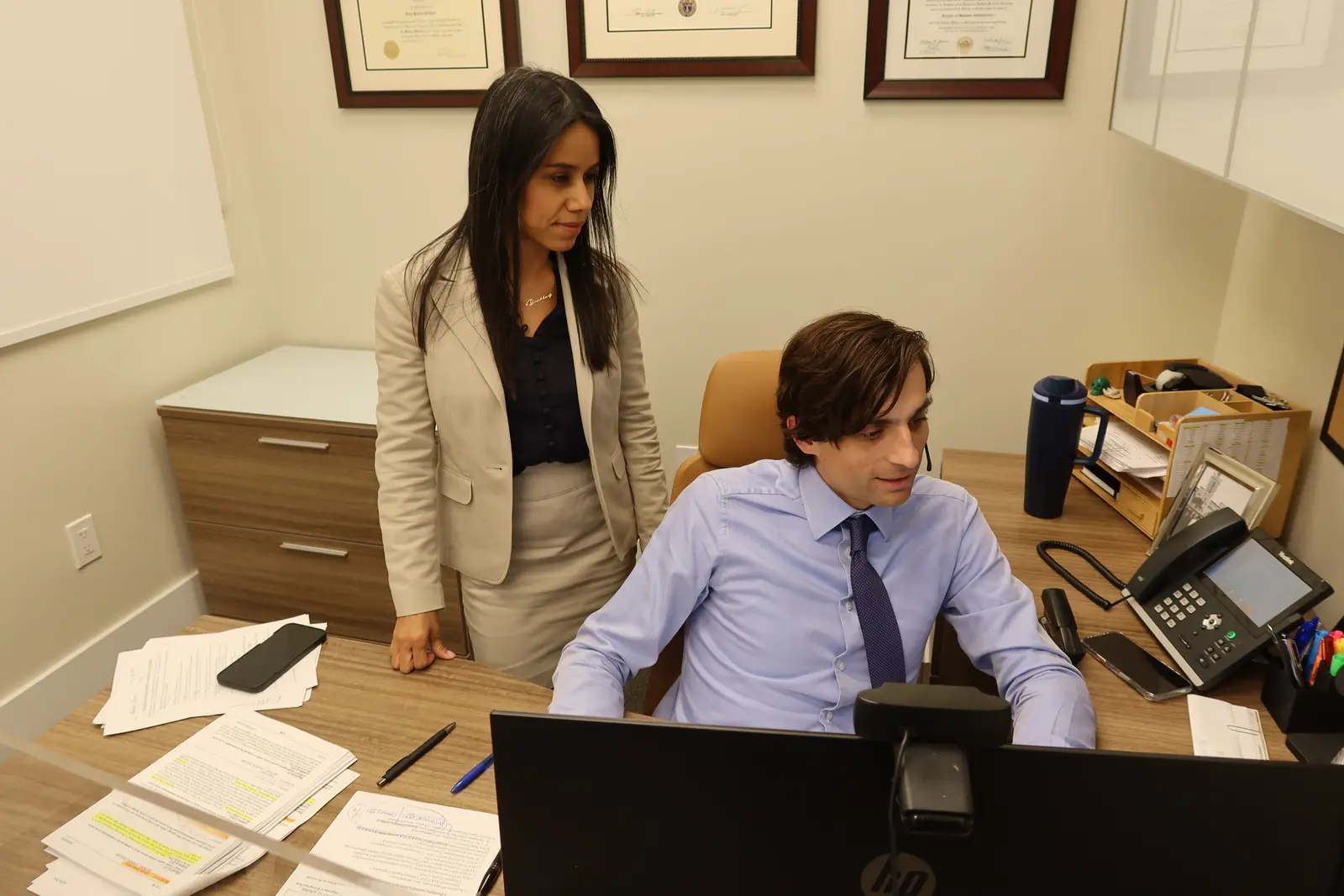
Our attorneys take a hands-on approach. From your free initial consultation through filing Chapter 7, you work directly with our office. Patrick Cordero or one of his staff meets personally with every client, listens to your situation, and explains every step.
For many clients, Chapter 7 is a natural fit: it eliminates or reduces debt, stops collections and lawsuits, and protects your home, future, and family. We will tell you honestly whether Chapter 7 is right for your situation, or whether Chapter 13, debt settlement, or another path makes more sense.
Who Qualifies for Chapter 7 in Florida
Eligibility starts with the means test, which compares your household income over the six months before filing to the Florida median for a household your size. If your income is below the median, you generally qualify. If it is above, a second calculation looks at your allowed expenses to see whether you have money left over to repay creditors. You can run your own numbers with our free means test calculator.
- You must complete a credit counseling course from an approved provider within the 180 days before you file.
- You cannot receive a Chapter 7 discharge if you received one in a case filed within the last eight years.
- Recent large purchases, cash advances, or transfers of property can raise questions, so tell us about them at your consultation.
What to Expect, Step by Step
- Free consultation. We review your income, debts, and assets and confirm that Chapter 7 is the right chapter for you.
- Credit counseling and paperwork. You complete the counseling course and gather pay stubs, tax returns, and bank statements while we prepare your petition.
- Filing and the automatic stay. The moment we file, the automatic stay stops most collection calls, lawsuits, and wage garnishments.
- Meeting of creditors. About a month after filing, you attend a short meeting with the trustee (the 341 meeting), with your attorney beside you. Creditors rarely appear.
- Financial management course. You complete a second short course before the court can enter your discharge.
- Discharge. In a typical case, the court enters the discharge about three to four months after filing, and the qualifying debts are gone for good.
What Chapter 7 Can and Cannot Erase
Chapter 7 discharges most unsecured debt, including credit cards, medical bills, personal loans, past-due utility bills, collection accounts, and balances left over after a repossession or foreclosure. Some debts survive bankruptcy, and we will flag them at your consultation:
- Child support and alimony
- Most student loans, unless repaying them would be an undue hardship
- Most recent income taxes
- Criminal fines and restitution
- Debts based on fraud, or on injuring someone while driving under the influence
We will also help you protect:
- Your homestead, with no dollar limit in most cases
- Your vehicles
- Retirement accounts: 401(k), IRAs, and pensions
- Social Security benefits
- Workers' compensation benefits
- Wages
- Businesses (corporations)
Common Questions
Chapter 7 Bankruptcy Questions, Answered
How long does Chapter 7 bankruptcy take in Florida?
Most Chapter 7 cases take about three to four months from filing to discharge. The meeting with the trustee usually happens about a month after filing, and the court typically enters the discharge about two months after that meeting if no one objects.
Will I lose my house if I file Chapter 7 in Florida?
Usually not. Florida's homestead exemption protects a primary residence regardless of its value, up to half an acre inside a city or 160 acres outside one. A federal cap can apply if you acquired the home within 1,215 days (about three and a third years) before filing, and other rules apply if you moved to Florida within the last two years. If you are behind on the mortgage, Chapter 7 does not cure the missed payments, so Chapter 13 may be the better fit.
Can I keep my car in Chapter 7?
In many cases, yes. If you have a car loan and want to keep the car, you generally stay current on the payments and may sign a reaffirmation agreement with the lender. Florida's exemptions protect only a limited amount of equity in a vehicle, so a paid-off car with significant value needs a closer look. We review every vehicle before filing.
How do I know if I qualify for Chapter 7?
The means test decides it. If your household income for the six months before filing is below the Florida median for your household size, you generally qualify. If it is higher, your allowed expenses are factored in. Our free means test calculator gives you a quick estimate, and we confirm the result at your consultation.
Do I have to go to court?
Most clients never see a courtroom. The one required appearance is the meeting of creditors with the trustee, a short meeting that usually lasts only a few minutes, and your attorney attends with you.
Will Chapter 7 stop wage garnishment and collection calls?
Yes. Filing triggers the automatic stay, which immediately stops most wage garnishments, collection calls, lawsuits, and repossessions. Creditors who willfully ignore the stay can be held liable for damages.
How long after Chapter 7 can I file again?
You must wait eight years from the filing date of a previous Chapter 7 case to receive another Chapter 7 discharge. Different waiting periods apply if your earlier case was a Chapter 13, and we can check your dates at your consultation.
Free Consultation with Our Bankruptcy Team
Schedule an appointment to understand your options before anything is filed. Flexible payment plans available. Call 305-267-3376 or schedule online. We also assist Spanish-speaking clients.
Related Practice Areas
Chapter 13 Bankruptcy
When you have income and want to keep your home, Chapter 13 reorganizes debt into a single court-supervised plan.
Save Your House and Cars
Florida's homestead, vehicle, and retirement exemptions protect more than you might think.
Stop Debt Collections
Filing imposes an automatic stay that halts collection calls, lawsuits, and wage garnishment immediately.