
Family Law · Divorce
South Florida's Premier Divorce Lawyers
Divorce is a multi-step process. Having a strong legal advocate at your side can change the outcome, and the experience.
At The Law Offices of Patrick L. Cordero, P.A., we represent men and women throughout the Miami area in divorce (legally called dissolution of marriage) and in the support and parenting issues that arise when spouses separate. Our attorneys work hands-on with every client, take the time to listen to your situation, and tailor strategy to what you actually want to accomplish.
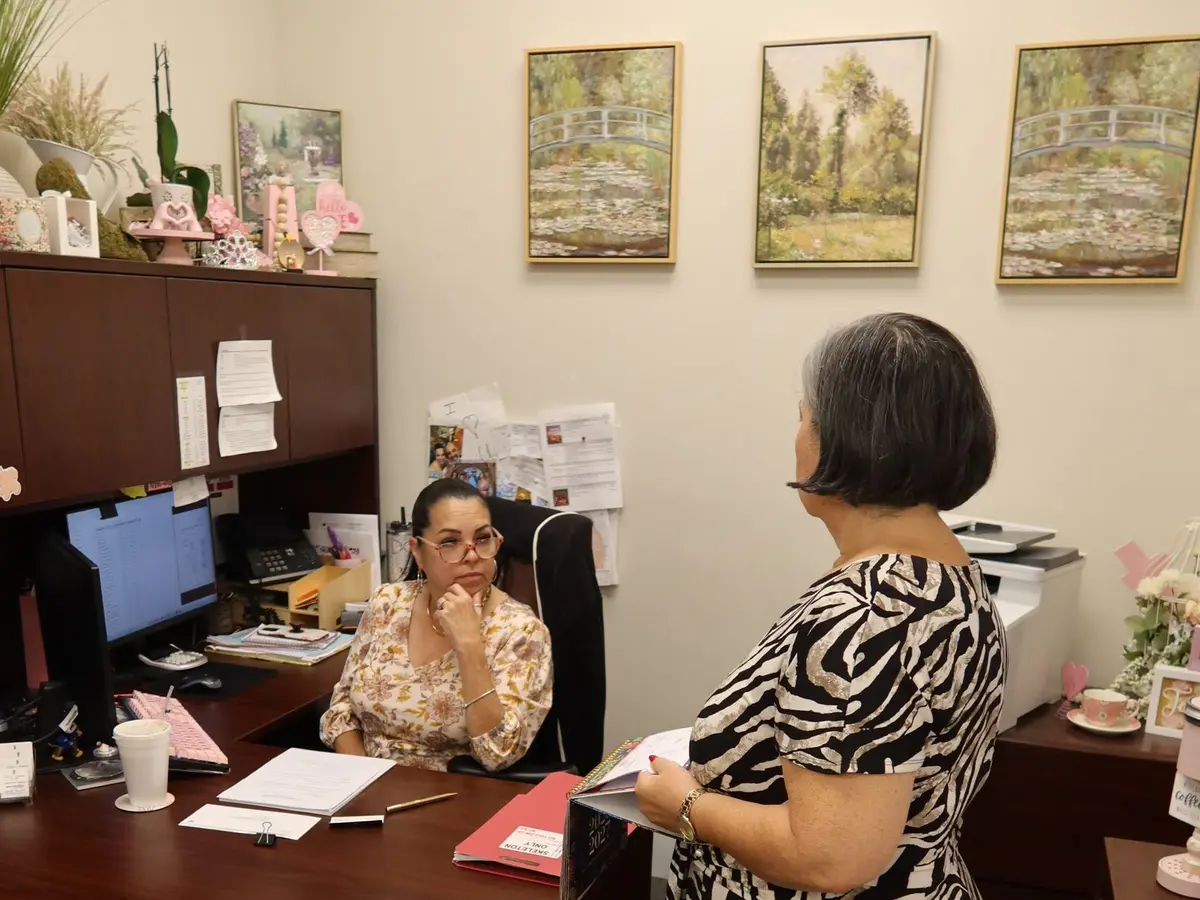
Serving Your Divorce Needs
We work with couples in both uncontested and contested divorce cases (also called dissolution of marriage). Regardless of where your situation falls, we are here to help. Our lawyers explain the divorce process in plain language and walk you through every issue that may arise, including:
- Property division. This includes the division of assets, debts, and marital property. We also explain the difference between separate and marital property, and how equitable distribution works in Florida.
- Alimony. Your situation may or may not involve alimony (sometimes called spousal support). If it does, we explain the types of alimony and how they apply to your case. Since July 1, 2023, Florida courts can no longer award permanent alimony; instead, they can award bridge-the-gap, rehabilitative, or durational alimony.
- Parenting plan and time-sharing. Florida law uses the terms parental responsibility and time-sharing rather than custody. We build parenting plans that protect your relationship with your children and meet Florida's best-interest standard, including the 2023 presumption that equal time-sharing is in a child's best interests.
- Child support. Florida uses statutory child support guidelines. We review them, identify any warranted deviations, and pursue enforcement when needed.
Uncontested and Contested Divorce Representation
If you and your spouse agree on most or all of the terms, the process can be straightforward. Divorce mediation lets you keep control of the outcome and avoid lengthy court fights. We review documents, identify issues that may surface later, and finalize a settlement that holds up.
If your divorce is contested, or involves a complex dispute such as domestic violence, hidden assets, or business valuations, we bring clarity through aggressive representation. We have the courtroom experience and negotiation skills to handle even the toughest divorce cases, and we know when to push and when to settle.
How a Florida Divorce Works, Step by Step
Florida is a no-fault state. Neither spouse has to prove wrongdoing; the only question is whether the marriage is irretrievably broken. Every case is different, but most Florida divorces follow the same basic path:
- Free consultation. We review your goals, your finances, and any issues involving your children, and explain whether your case is likely to be uncontested or contested.
- Filing the petition. One spouse files a petition for dissolution of marriage in circuit court. At least one spouse must have lived in Florida for the six months before filing.
- Service and response. The other spouse is formally served with the petition and generally has 20 days to file a response.
- Financial disclosure. Both spouses must exchange financial affidavits and supporting documents, such as tax returns, pay stubs, and account statements. This is required even in amicable cases.
- Parenting course. If you have minor children, both parents are required to complete a parent education and family stabilization course before the divorce is finalized.
- Mediation. Most cases go to mediation before trial, where a neutral mediator helps both sides work toward a written agreement.
- Settlement or trial. If you reach an agreement, it is set out in a marital settlement agreement and, when children are involved, a parenting plan. Issues that cannot be resolved are decided by a judge.
- Final judgment. The court enters a final judgment of dissolution of marriage. By law, this cannot happen until at least 20 days after the petition is filed, and contested cases usually take much longer.
Preparing for Your Consultation
You do not need to have everything organized before you call us, but the more you bring, the more specific our advice can be. Helpful documents include:
- Recent tax returns and pay stubs for both spouses, if you have them
- Bank, credit card, retirement, and investment account statements
- Mortgage, deed, vehicle title, and loan documents
- Any prenuptial or postnuptial agreement
- Information about your children's schedules, school, childcare, and health insurance costs
- Any existing court orders, including domestic violence injunctions
A Personal Approach to Every Case
Our family-law team takes a hands-on approach. We promote open communication, encourage questions, and are personally available throughout your case. You will never be passed off to a junior associate you've never met.
Common Questions
Florida Divorce Questions, Answered
How long do you have to live in Florida to file for divorce?
At least one spouse must have lived in Florida for the six months immediately before the petition is filed. Residency is usually shown with a Florida driver's license, ID card, or voter registration card, or with the testimony of a witness. Only one spouse needs to meet the requirement.
Do I have to prove fault to get divorced in Florida?
No. Florida is a no-fault divorce state, so you only need to show that the marriage is irretrievably broken. You do not have to prove adultery, abandonment, or any other wrongdoing, and one spouse cannot stop the divorce simply by refusing to sign.
How long does a divorce take in Florida?
Florida law requires at least 20 days between filing the petition and the final judgment. An uncontested divorce, where both spouses agree on everything, is typically much faster and less expensive. A contested divorce can take many months or longer, depending on the issues, the court's calendar, and whether the case settles at mediation.
What is a simplified dissolution of marriage?
Simplified dissolution is a shorter process for couples who meet strict requirements. Both spouses must agree to end the marriage, there can be no minor or dependent children and no pregnancy, neither spouse can seek alimony, and the spouses must have already agreed on how to divide their property and debts. At least one spouse must also meet the six-month residency requirement.
How is property divided in a Florida divorce?
Florida follows equitable distribution. The court first separates marital property from nonmarital property, then divides the marital assets and debts starting from the premise that the split should be equal, unless there is a justification for an unequal division. Property owned before the marriage or received individually as a gift or inheritance is generally nonmarital, although that can change if it was mixed with marital funds.
Does Florida still award permanent alimony?
No. A Florida law that took effect on July 1, 2023 eliminated permanent alimony. Courts can award bridge-the-gap, rehabilitative, or durational alimony, as well as temporary support while the case is pending, based on one spouse's need and the other spouse's ability to pay. The length of the marriage affects how long durational alimony can last.
Does Florida recognize legal separation?
No. Florida does not have a formal legal separation status. However, a spouse can ask the court for alimony and child support without filing for divorce, and spouses who live apart can put their own arrangements in a written agreement. We can explain which option fits your situation.
Schedule Your Free Consultation
Have questions about divorce? Schedule your first meeting. It's free. We are located in Miami and handle cases throughout South Florida.
Related Practice Areas
Child Custody
Parental responsibility, time-sharing, and parenting plans that protect your relationship with your children.
Child Support
Florida guidelines, deviations, enforcement, and modifications.
Alimony / Spousal Support
How Florida courts weigh need, ability to pay, and the length of the marriage.
Property Division
Equitable distribution in Florida: what's fair isn't always what's equal.
Prenuptial Agreement
Protect separate property, inheritances, and business interests before marriage.
Modifications
Post-decree changes to parenting plans, support, or alimony when circumstances change.