
bankruptcy
Florida's Homestead Exemption in Bankruptcy: What Homeowners Should Know
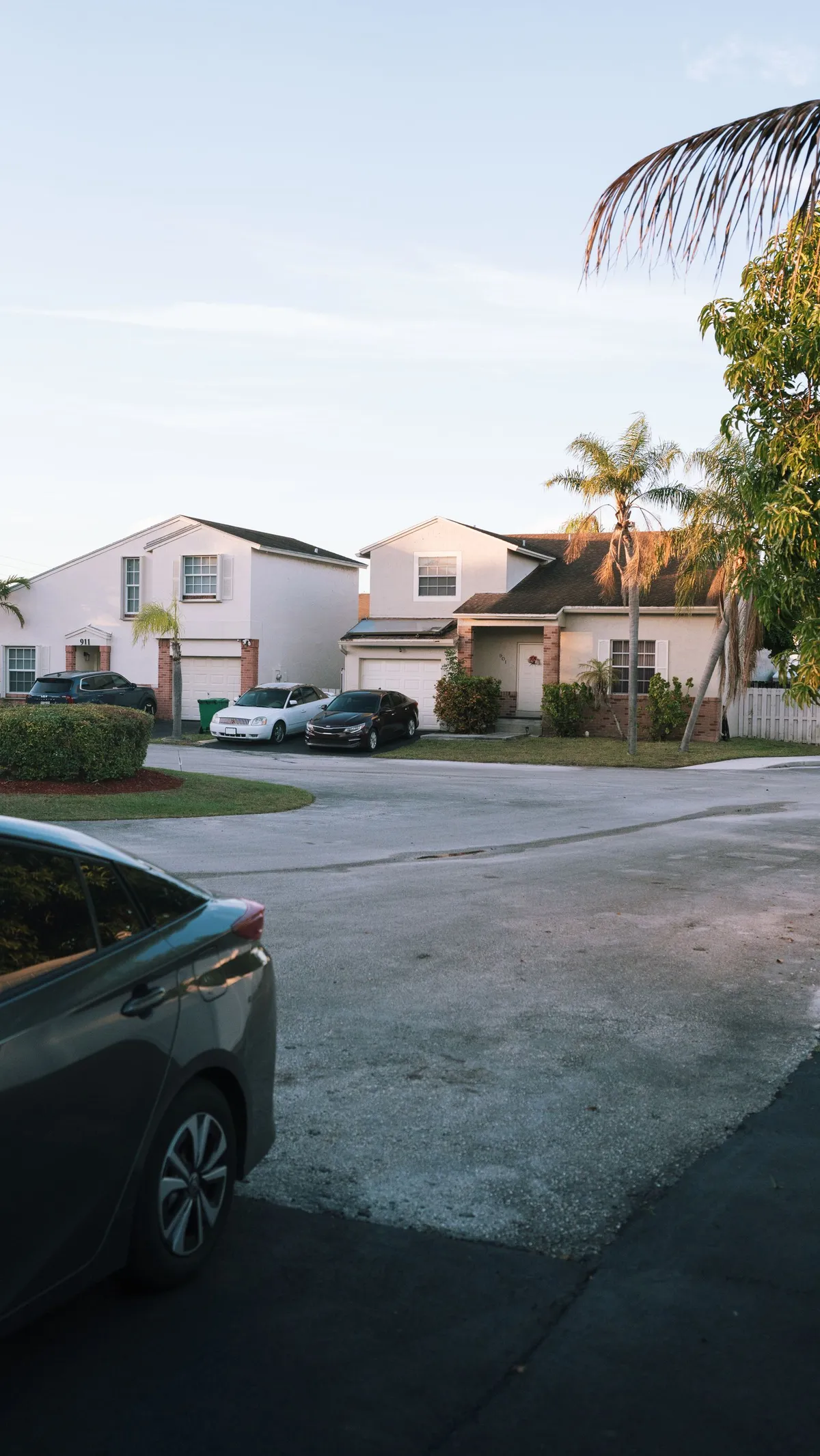
“Will I lose my house?” It is the first question almost every homeowner asks when they sit down to discuss bankruptcy — and in Florida, the answer is very often no. Florida has one of the strongest homestead protections in the United States, and understanding how it works can take an enormous weight off your shoulders.
What the Florida Homestead Exemption Protects
Florida’s homestead exemption comes from the state constitution itself. In broad terms, it protects the equity in your primary residence from most creditors — and unlike the exemptions in most other states, it is generally unlimited in dollar value. What the constitution limits instead is the size of the property: up to half an acre inside a municipality, or up to 160 acres outside one.
That means a Miami family whose home has appreciated dramatically over the years can often file for bankruptcy, discharge their unsecured debts, and keep every dollar of equity in their homestead — something that would be impossible in many other states.
The Fine Print: Rules That Trip Homeowners Up
As powerful as the exemption is, it comes with conditions, and the details matter:
- It must be your primary residence. Investment properties, second homes, and vacation rentals do not qualify.
- Residency timing matters. Federal bankruptcy law imposes waiting periods on debtors who recently moved to Florida or recently acquired their homestead. If you purchased your home within roughly the last three and a half years, a federal cap may limit the exemption, and if you moved to Florida within the last two years, another state’s rules may apply to your case. These timing rules are technical, and getting them wrong is costly — this is exactly where experienced counsel earns its keep.
- Your mortgage is not erased. The homestead exemption protects your equity from unsecured creditors; it does not eliminate voluntary liens. To keep the house, you must stay current on the mortgage — though bankruptcy can often help you get there by clearing the credit cards and other debts competing for your paycheck.
- Claiming the homestead affects your other exemptions. Florida offers a wildcard exemption for personal property, but only to debtors who do not claim the benefit of the homestead exemption. Choosing the right combination is a strategic decision that depends on what you own.
Chapter 7 vs. Chapter 13 for Homeowners
For homeowners with substantial protected equity but overwhelming unsecured debt, Chapter 7 can wipe the slate clean while the homestead exemption keeps the house safe. For homeowners who have fallen behind on their mortgage, Chapter 13 offers something Chapter 7 cannot: a court-supervised repayment plan that lets you cure the arrears over three to five years while the automatic stay holds foreclosure at bay.
Protect Your Home the Right Way
The homestead exemption is generous, but it is not automatic protection against every misstep — timing, titling, and exemption planning all matter, and they must be handled honestly and correctly. The Law Offices of Patrick L. Cordero has spent decades helping South Florida homeowners keep their homes while getting out from under crushing debt. Call (305) 267-3376 or schedule a free consultation to find out exactly where you stand.